Launching a startup is one of the most exciting steps an entrepreneur can take. Founders often focus on product development, branding, fundraising, and growth strategies—but many overlook one of the most important foundations of a successful business: legal protection.
A common mistake among new entrepreneurs is waiting until a legal problem arises before hiring an attorney. Unfortunately, by then, the damage may already be costly and difficult to fix.
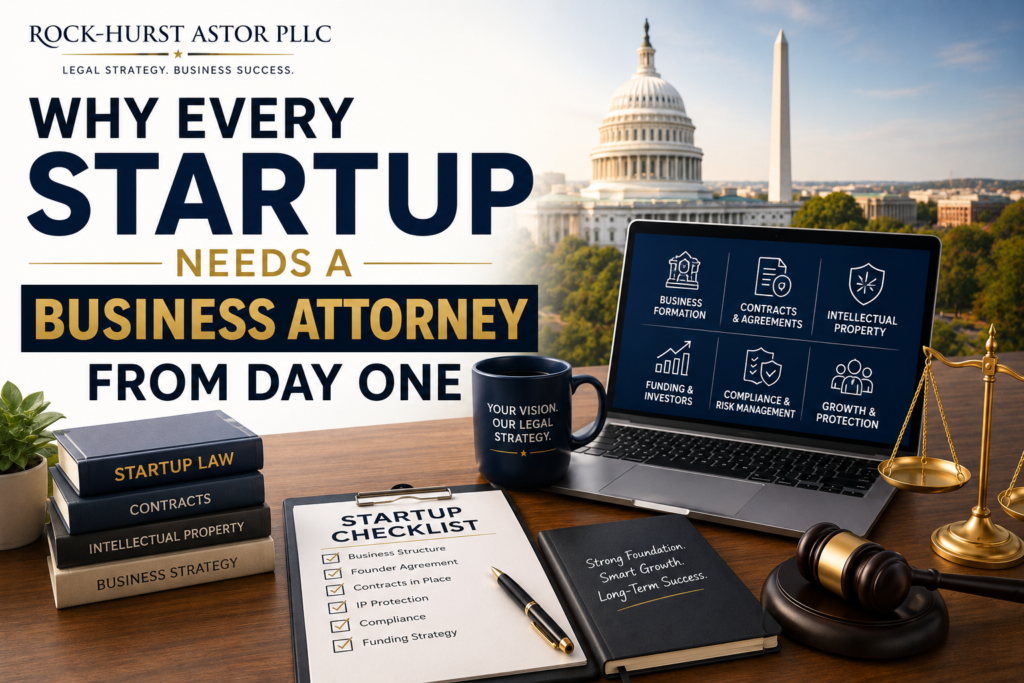
The reality is simple: every startup needs a business attorney from day one. Having the right legal guidance early can help protect your company, prevent expensive mistakes, and position your startup for long-term success.
In this guide, we’ll explore why startup businesses need legal support from the beginning and how a business attorney can become one of your most valuable strategic partners.
What Does a Business Attorney Do for a Startup?
A business attorney helps startups handle the legal, operational, and compliance challenges that come with launching and growing a company.
Their role includes:
- Structuring the business properly
- Drafting legal agreements
- Protecting intellectual property
- Managing legal risks
- Supporting fundraising efforts
- Ensuring compliance with laws and regulations
More importantly, a startup attorney helps founders avoid problems before they happen.
1. Choosing the Right Business Structure
One of the first major decisions for any startup is choosing the appropriate legal entity.
Common business structures include:
- Limited Liability Company (LLC)
- C-Corporation
- S-Corporation
- Partnership
Each structure has different implications for:
- Taxes
- Liability protection
- Investor relationships
- Ownership flexibility
For example, startups planning to seek venture capital funding often choose a Delaware C-Corporation because it is preferred by investors.
A business attorney helps founders select the right structure based on their long-term goals.
2. Protecting Founders and Ownership Rights
Many startups begin with informal conversations among friends or business partners. Unfortunately, verbal agreements are rarely enough when disputes arise.
Without proper legal documentation, disagreements over:
- Equity ownership
- Roles and responsibilities
- Decision-making authority
- Exit strategies
can create serious internal conflict.
A business attorney drafts founder agreements that clearly define:
- Ownership percentages
- Vesting schedules
- Voting rights
- Dispute resolution processes
These agreements help protect both the business and the founders involved.
3. Drafting Strong Contracts
Contracts are essential for nearly every aspect of a startup.
Your business may need:
- Client agreements
- Vendor contracts
- Employment agreements
- Independent contractor agreements
- Non-disclosure agreements (NDAs)
Poorly written contracts can lead to:
- Financial losses
- Misunderstandings
- Legal disputes
- Damaged relationships
A business attorney ensures contracts are legally enforceable and tailored specifically to your company’s needs.
4. Protecting Intellectual Property
For many startups, intellectual property (IP) is the company’s most valuable asset.
This may include:
- Brand names
- Logos
- Software
- Product designs
- Marketing materials
- Trade secrets
Without proper legal protection, competitors may copy your ideas or challenge your ownership rights.
A business attorney helps secure:
- Trademarks
- Copyrights
- Patents
- Confidentiality agreements
Protecting intellectual property early is especially important when pitching investors or collaborating with outside contractors.
5. Helping Startups Raise Capital
Fundraising is one of the most legally sensitive stages of startup growth.
Investors want to see:
- Proper business formation
- Clear ownership records
- Protected intellectual property
- Legally compliant operations
Any legal inconsistencies can delay—or completely derail—investment opportunities.
A business attorney assists with:
- SAFE agreements
- Convertible notes
- Equity financing documents
- Investor negotiations
- Securities law compliance
Having legal guidance during fundraising also demonstrates professionalism and credibility to potential investors.
6. Ensuring Compliance with Laws and Regulations
Every startup must comply with federal, state, and local laws.
Depending on your industry, legal requirements may involve:
- Employment laws
- Data privacy regulations
- Licensing requirements
- Tax obligations
- Securities regulations
Non-compliance can result in:
- Fines
- Lawsuits
- Government investigations
- Reputational damage
A business attorney helps startups understand their obligations and reduce compliance risks from the beginning.
7. Avoiding Expensive Legal Mistakes
Many entrepreneurs delay hiring an attorney to save money.
Ironically, this often leads to far greater costs later.
Common startup mistakes include:
- Using generic online legal templates
- Improperly classifying workers
- Failing to protect intellectual property
- Incomplete contracts
- Poorly structured ownership agreements
Fixing these problems later can be significantly more expensive than addressing them properly from day one.
A business attorney helps prevent these issues before they become major liabilities.
8. Supporting Hiring and Employment Growth
As startups grow, employment-related legal issues become increasingly important.
A business attorney helps with:
- Employment contracts
- Employee handbooks
- Confidentiality agreements
- Non-compete clauses
- Workplace compliance
Improper hiring practices can expose startups to:
- Employment lawsuits
- Wage disputes
- Tax penalties
Early legal guidance helps build a strong and compliant workplace culture.
9. Managing Disputes and Business Risks
Even successful startups encounter disputes.
These may involve:
- Contract breaches
- Customer complaints
- Partnership disagreements
- Intellectual property conflicts
Having an attorney already familiar with your business allows for faster and more effective legal responses.
In many cases, experienced legal counsel can resolve issues before they escalate into costly litigation.
Why Hiring a Business Attorney Early Saves Money
Some founders view legal services as an unnecessary expense during the startup phase.
In reality, proactive legal support often saves businesses substantial money by:
- Preventing lawsuits
- Avoiding compliance penalties
- Reducing contract disputes
- Protecting valuable assets
The cost of prevention is usually far lower than the cost of legal damage control.
How Much Does a Startup Business Attorney Cost?
Startup legal costs vary depending on the business and services needed.
Typical startup legal expenses include:
- Business formation: $500 – $2,000
- Founder agreements: $1,000 – $3,000
- Contract drafting: $300 – $1,500
- Startup legal packages: $2,500 – $10,000+
Many law firms also offer flat-fee startup packages to help early-stage companies manage costs predictably.
Why Choose Rock-Hurst Astor PLLC?
Rock-Hurst Astor PLLC provides strategic legal guidance tailored to startups and growing businesses.
The firm assists with:
- Business formation
- Contract drafting and negotiation
- Intellectual property protection
- Startup compliance
- Fundraising support
- Business dispute resolution
Whether you are launching your first startup or scaling an existing company, having experienced legal counsel from day one can help protect your vision and position your business for long-term success.
Final Thoughts
Every startup faces legal challenges—but the right legal strategy can prevent small problems from becoming major setbacks.
A business attorney does more than handle paperwork. They help:
- Protect your company
- Reduce legal risk
- Build investor confidence
- Support sustainable growth
The earlier you involve a business attorney, the stronger your startup’s foundation will be.
For entrepreneurs serious about long-term success, hiring a business attorney from day one is not just a smart decision—it’s an essential one.