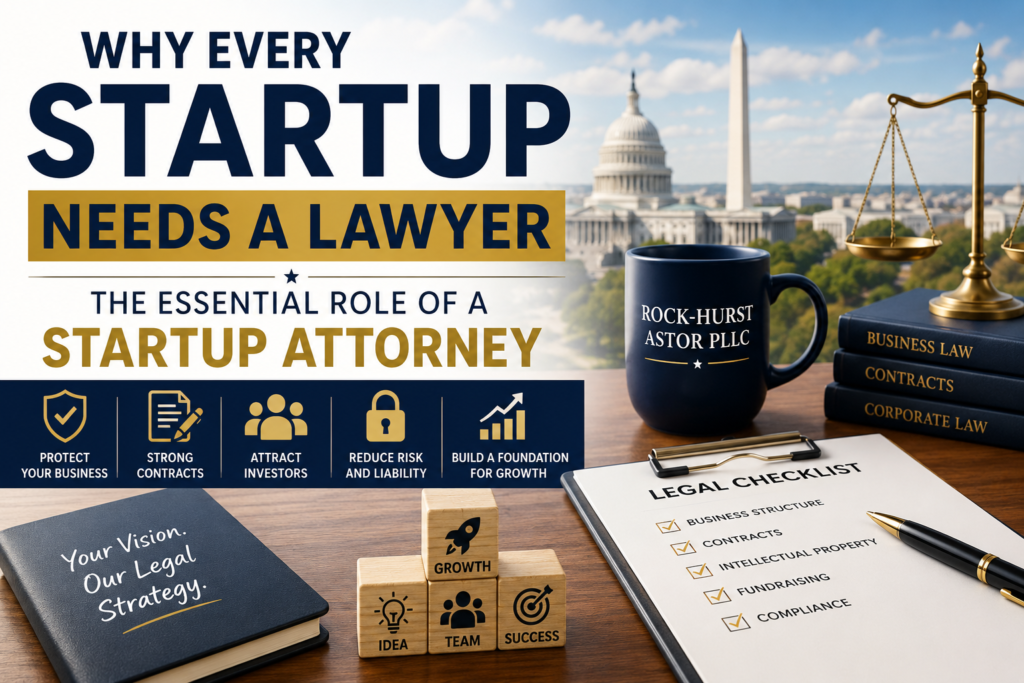
Starting a business is exciting. Entrepreneurs often focus on building products, attracting customers, and securing funding—but one critical area is sometimes overlooked: legal protection.
Many founders assume they can handle legal matters themselves in the early stages. However, even small mistakes can create serious financial and operational problems later. That’s why working with a startup attorney is one of the smartest investments a new business can make.
In this guide, we’ll explain why every startup needs a lawyer, the essential role startup attorneys play, and how legal guidance can help protect and grow your business.
What Does a Startup Lawyer Do?
A startup lawyer is a legal professional who specializes in helping new businesses navigate legal, financial, and operational challenges.
Unlike general business attorneys, startup lawyers understand the unique needs of emerging companies, including:
- Rapid growth
- Fundraising
- Equity distribution
- Intellectual property protection
- Regulatory compliance
Their goal is not just to solve legal issues—but to help startups build a strong foundation for long-term success.
Why Startups Need Legal Guidance Early
Many legal problems begin long before a company realizes there’s an issue. Founders often rely on online templates or informal agreements, which can create costly disputes later.
A startup lawyer helps prevent problems before they happen.
1. Choosing the Right Business Structure
One of the first decisions a startup must make is selecting the right legal structure.
Common options include:
- LLC (Limited Liability Company)
- C-Corporation
- S-Corporation
- Partnership
The wrong structure can affect:
- Taxes
- Investor opportunities
- Liability protection
- Ownership flexibility
For example, many venture capital investors prefer Delaware C-Corporations because they’re investor-friendly and scalable.
A startup attorney can help you choose the structure that aligns with your business goals.
2. Protecting Founders with Clear Agreements
Founder disputes are one of the leading causes of startup failure.
Without proper legal agreements, disagreements over:
- Equity ownership
- Responsibilities
- Decision-making authority
- Exit terms
can quickly become major problems.
A startup lawyer drafts founder agreements that clearly define:
- Ownership percentages
- Vesting schedules
- Roles and responsibilities
- Dispute resolution procedures
This creates transparency and reduces future conflict.
3. Protecting Intellectual Property
For many startups, intellectual property (IP) is their most valuable asset.
This includes:
- Brand names
- Logos
- Software
- Product designs
- Trade secrets
Without legal protection, competitors may copy your ideas—or even claim ownership.
A startup attorney helps secure:
- Trademarks
- Copyrights
- Patents
- Non-disclosure agreements (NDAs)
Protecting IP early is especially important when pitching investors or working with contractors.
4. Drafting and Reviewing Contracts
Every startup relies on contracts.
These may include:
- Client agreements
- Vendor contracts
- Employment agreements
- Licensing agreements
- Partnership agreements
Poorly written contracts can lead to:
- Financial losses
- Legal disputes
- Misunderstandings
A startup lawyer ensures contracts are:
- Legally enforceable
- Clearly written
- Customized to your business needs
Strong contracts protect both your company and your relationships.
5. Helping with Fundraising and Investment Deals
Raising capital is one of the most complex stages of startup growth.
Investors carefully review:
- Corporate structure
- Legal compliance
- Equity ownership
- Intellectual property rights
If your legal documents are incomplete or poorly organized, investors may walk away.
A startup attorney helps with:
- Term sheets
- Convertible notes
- SAFE agreements
- Equity financing
- Investor negotiations
Having proper legal representation also demonstrates professionalism and credibility.
6. Ensuring Compliance with Laws and Regulations
Every business must comply with local, state, and federal laws.
Depending on your industry, this may involve:
- Employment regulations
- Data privacy laws
- Licensing requirements
- Securities regulations
Non-compliance can lead to:
- Fines
- Lawsuits
- Reputational damage
A startup lawyer helps identify legal risks and ensures your company remains compliant as it grows.
7. Avoiding Expensive Legal Mistakes
Many startups try to save money by delaying legal help.
Unfortunately, fixing legal problems later is often far more expensive than preventing them early.
Common startup mistakes include:
- Using generic online legal templates
- Failing to protect intellectual property
- Improper equity distribution
- Missing compliance requirements
- Poor contract management
A startup lawyer helps you avoid these costly errors from the beginning.
8. Supporting Hiring and Employment Practices
As startups grow, they begin hiring employees and contractors.
Employment-related legal issues can involve:
- Worker classification
- Employment contracts
- Confidentiality agreements
- Workplace policies
Mistakes in hiring practices can result in:
- Employment lawsuits
- Tax penalties
- Compliance issues
A startup attorney helps create legally sound employment processes and agreements.
9. Managing Disputes and Legal Risks
Even well-run startups may face legal disputes.
These can involve:
- Contract disagreements
- Partnership conflicts
- Customer complaints
- Intellectual property claims
Having an attorney who already understands your business can make resolving disputes faster and more effective.
In many cases, early legal intervention can prevent litigation altogether.
How Much Does a Startup Lawyer Cost?
Startup legal costs vary depending on your needs and stage of growth.
Typical costs may include:
- Business formation: $500 – $2,000
- Founder agreements: $1,000 – $3,000
- Contract drafting: $300 – $1,500
- Startup legal packages: $2,500 – $10,000+
While legal fees may seem expensive initially, they are often far less costly than dealing with lawsuits or major legal mistakes later.
Why Working with the Right Startup Lawyer Matters
Not all attorneys understand startups.
An experienced startup lawyer provides:
- Strategic business guidance
- Industry-specific legal knowledge
- Investor-ready legal structures
- Long-term legal planning
Choosing the right legal partner can help your startup grow with confidence.
Why Choose Rock-Hurst Astor PLLC?
Rock-Hurst Astor PLLC understands the challenges startups face in today’s competitive business environment.
The firm provides:
- Startup-focused legal solutions
- Business formation guidance
- Contract drafting and negotiation
- Investor and fundraising support
- Ongoing strategic legal counsel
Whether you’re launching your first company or scaling a growing business, experienced legal support can make all the difference.
Final Thoughts
Every startup faces legal risks—but the right legal strategy can turn those risks into opportunities.
A startup lawyer does far more than draft paperwork. They help:
- Protect your business
- Reduce legal risk
- Strengthen investor confidence
- Support long-term growth
The earlier you involve a startup attorney, the stronger your foundation will be.
For entrepreneurs serious about building a successful business, legal guidance isn’t optional—it’s essential.